Garlic is a beloved ingredient worldwide, treasured for its unique flavor and health benefits. However, growing garlic can be challenging, especially when it comes to pests that can damage your crop. Identifying these common garlic pests early and managing them effectively is crucial to ensure a bountiful harvest.
Common Garlic Pests
1. Onion Thrips (Thrips tabaci): These tiny insects are among the most problematic for garlic plants. They feed by piercing the leaves and sucking out the sap, leading to silvery streaks and reduced bulb size. Severe infestations can stunt garlic growth and diminish yield quality.
2. Garlic Bulb Mites (Rhizoglyphus echinopus): These microscopic mites attack the cloves, causing them to rot and making the crop more susceptible to fungal infections. They often hide in the soil and plant debris, making them difficult to detect early.
3. Leek Moths (Acrolepiopsis assectella): The larvae of leek moths bore into garlic leaves and bulbs, creating tunnels that lead to decay. They can cause significant damage if not controlled promptly.
4. Cutworms: These caterpillars chew through stems near the soil line, often cutting young garlic plants off at the base. Early detection is key to preventing widespread damage.
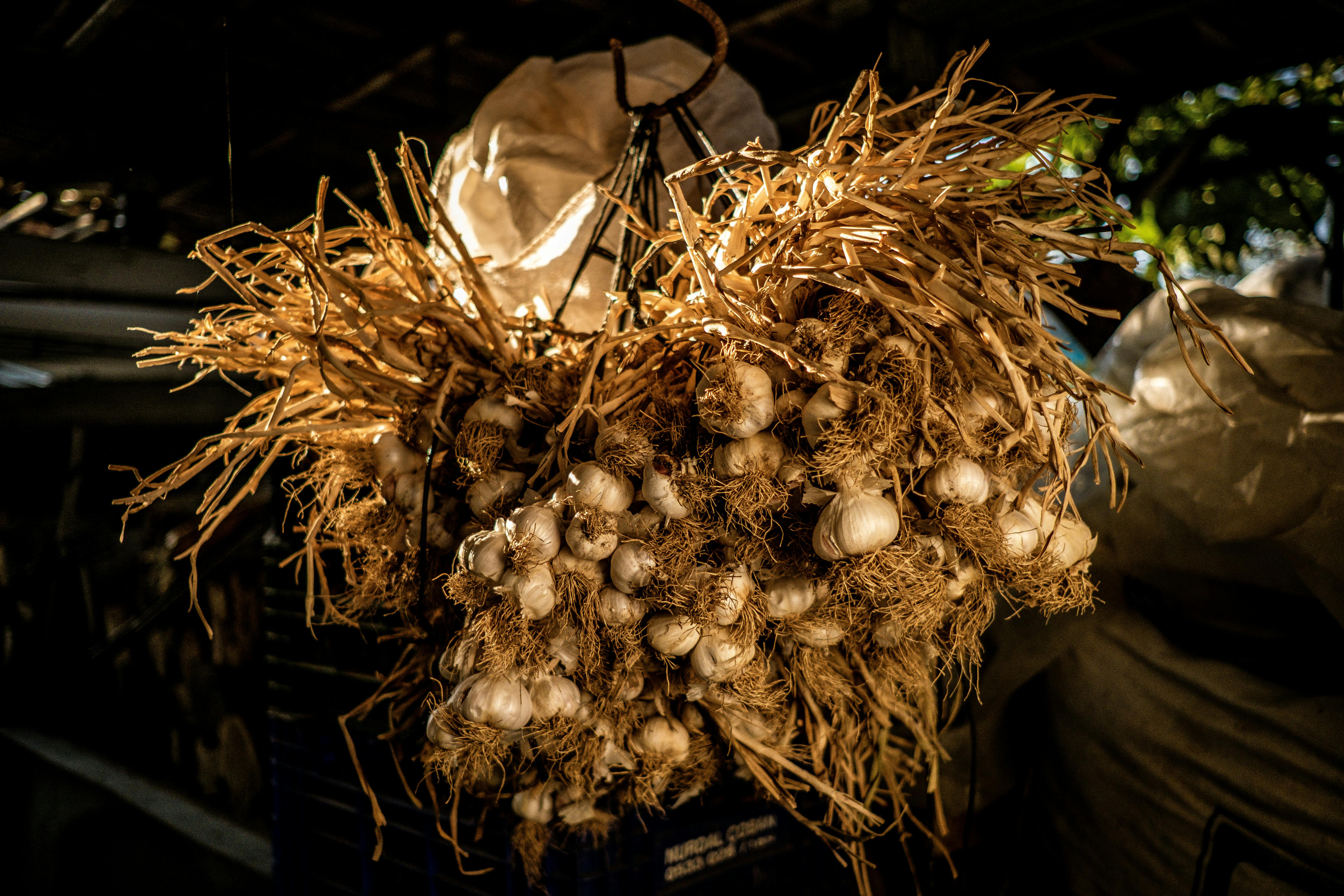
Natural Methods to Control Garlic Pests
1. Crop Rotation: Rotating garlic with non-allium crops every few years helps break the life cycles of pests such as bulb mites and thrips, reducing their populations naturally.
2. Encouraging Beneficial Insects: Ladybugs, lacewings, and parasitic wasps prey on thrips and other small pests. Planting companion plants such as marigolds or dill can attract these beneficial insects to your garden.
3. Neem Oil Application: Neem oil is a natural pesticide that disrupts the life cycle of many pests including thrips and mites. Applying neem oil regularly, following the product instructions, can keep pest numbers down.
4. Proper Field Hygiene: Remove and destroy infected plant debris at the end of the season to eliminate overwintering sites for mites and moth larvae. Keeping the area clean reduces pest carryover to the next planting season.
5. Floating Row Covers: These lightweight fabrics can be placed over garlic beds to physically exclude moths and other insects, preventing egg laying on plants.
By combining these natural strategies and staying vigilant through regular crop inspections, garlic growers can successfully manage common pests without heavy reliance on synthetic pesticides. Healthy plants lead to a robust harvest full of flavorful garlic bulbs ready for the kitchen.



Great article! I’ve struggled with garlic bulb mites for years. Crop rotation really helped me reduce their numbers.
Thanks for the tips on neem oil. I’m going to try it on my thrip infestation this season.
I never knew about leek moths until now. Using floating row covers seems like a smart idea!